Music PR: How Artists and Labels Build Media Presence
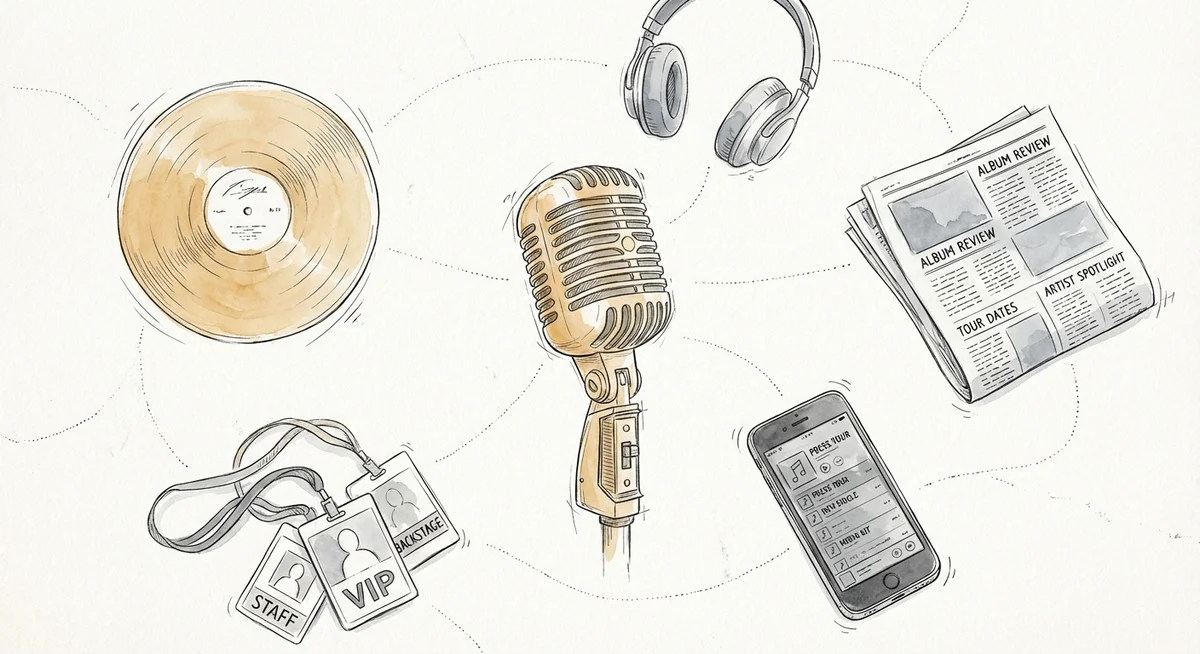
The music industry moves faster than almost any other sector. A single can go from announcement to old news in weeks. A viral TikTok moment can reshape an artist's trajectory overnight. And the difference between a well-timed campaign and a missed window can determine whether a release lands or vanishes. For artists and labels, strategic PR isn't a luxury. It's infrastructure.
Whether you're an independent artist planning your first headline tour or a label coordinating a multi-single rollout, understanding how music PR works will help you make smarter decisions about where to put your time and budget. This guide breaks down the strategies that drive media presence in today's music landscape, with a focus on the UK market.
How Music PR Differs From Other Industries
PR in music operates on compressed timescales. A corporate brand might plan a campaign over months. A single release campaign often has two to four weeks to generate meaningful coverage. The entire discipline is built around release cycles: the choreographed sequence of announcements, teasers, premieres, and reviews that surround new music.
Timing is everything. A well-placed exclusive with DIY Magazine, The Line of Best Fit, or Clash can set the tone for a campaign, but only if it lands at the right moment. Too early and the momentum fades before release day. Too late and journalists have moved on.
The other defining factor is competition. With over 100,000 tracks uploaded to Spotify every day, the attention window for any single piece of music is extraordinarily narrow. Music publicists have to cut through that by combining traditional media outreach with streaming strategy, social media, and live event publicity, often simultaneously.
Album and Single Launch PR
A good release campaign begins long before the music is available. The goal is to build anticipation so that when release day arrives, there's already an audience waiting.
Launch campaigns typically involve pre-release teasing (artwork reveals, lyric snippets, short video clips, countdowns), exclusive premieres with outlets like NME, The Quietus, or BBC Radio 1, and advance press servicing so reviews and features land on or near release day. Spotify for Artists submissions are now a critical piece too, pitching tracks to Spotify's editorial team for playlist consideration. All of this gets coordinated alongside the artist's own social media rollout to create a unified narrative.
Timing the interplay between these elements is where experienced publicists earn their fee. A staggered approach, where each piece of content or coverage builds on the last, works far better than a single burst of activity.
Tour and Live Event Publicity
Live performance remains one of the most powerful tools for building an artist's profile, and the PR approach differs significantly from release campaigns. Tour publicity is local by nature, requiring outreach to regional press, listings editors, and culture writers in each city on the routing.
For UK tours, that means engaging with Time Out, The List for Scottish dates, regional newspaper culture sections, and local BBC radio stations. Festivals like Glastonbury, SXSW London, The Great Escape, and Latitude each have their own media ecosystems, and securing coverage around festival appearances can meaningfully boost an artist's visibility.
Good tour PR also looks beyond the music press. Travel publications, lifestyle blogs, even food and drink outlets can provide useful angles, particularly for artists performing at destination festivals or unusual venues. Think creatively about who might care about the story, not just who covers music.
Building Relationships With Music Journalists, Bloggers, and Playlist Curators
The UK music media landscape has changed dramatically over the past decade. Legacy print titles have shrunk or moved online. Much of the tastemaking influence has shifted to independent bloggers, YouTube channels, podcast hosts, and playlist curators. But the fundamentals of media relationships haven't changed: credibility, consistency, and respect for the journalist's time.
A good pitch is concise, personalised, and shows you understand what someone actually covers. Generic mass emails are the fastest way to burn a contact. Effective publicists invest time in learning each writer's tastes, recent coverage, and preferred way of working.
Strong pitches tend to share a few qualities: a clear story angle beyond "new single out Friday," relevant context about the artist's trajectory or cultural moment, high-quality assets ready to go (press photos, streaming links, EPK), respect for lead times, and a genuine reason why this particular journalist or outlet is the right fit.
As Sue Harris of Republic Media has noted, publicists bring experience in a landscape where securing coverage independently is increasingly difficult. The relationships and editorial knowledge a seasoned publicist holds are often what separates a campaign that connects from one that doesn't.
Streaming-Era PR Tactics
Streaming has fundamentally changed what music PR looks like in practice. Playlist placement on Spotify, Apple Music, and Amazon Music now functions as media coverage in its own right. A spot on New Music Friday UK can deliver hundreds of thousands of streams and introduce an artist to entirely new audiences.
PR and playlist strategy are deeply intertwined now. Press coverage can signal to playlist editors that an artist has momentum. Playlist placement can generate further press interest. Strong early streaming performance triggers Spotify's Release Radar and Discover Weekly algorithms, creating a cycle of exposure that feeds on itself.
Modern campaigns routinely fold in pre-release playlist pitching, influencer seeding to drive organic listening, data storytelling using streaming numbers and Shazam data as proof points in press pitches, and radio plugging, which remains influential in the UK through BBC Radio 1, Radio 6 Music, and regional stations. The best campaigns treat press, playlists, radio, and social media as interconnected rather than separate.
Social Media and PR Integration
Social media isn't a supporting channel for music PR anymore. In many cases it's the primary arena. TikTok in particular has become one of the most powerful discovery platforms for new music, with viral moments regularly pushing tracks onto streaming charts.
For PR professionals, this means social strategy has to be part of campaign planning from the start. That includes TikTok content designed to encourage user-generated trends around a track, Instagram and Reels for visual storytelling that aligns with the press narrative, fan community engagement on Discord, Reddit, and X, and cross-platform coordination so announcements and behind-the-scenes content land strategically.
The artists who build lasting media presence treat social media as a core part of their public identity, not something bolted on after the fact.
Crisis Management for Artists
Artists with growing public profiles are increasingly vulnerable to reputational crises. A poorly received social media post, a tour cancellation, allegations of misconduct, a public disagreement with a label: negative stories spread fast, and they demand a rapid, strategic response.
Crisis management typically involves rapid-response statements crafted to acknowledge a situation without escalating it, proactive work with trusted media contacts to ensure the artist's perspective is represented fairly, careful management of the artist's own social channels, and a longer-term plan for rebuilding public trust through positive coverage or creative output.
Having a PR professional in place before a crisis strikes is far more effective than trying to find one mid-storm.
When to Hire a Music PR Agency vs DIY PR
For many emerging artists, the question isn't whether PR matters but whether they can afford professional support. In the UK, independent artist campaigns typically range from £1,000 for basic outreach to over £10,000 for multi-channel strategies. UK PR agency retainers in 2025 averaged roughly £4,672 per month, with median costs around £3,571, though specialist music PR firms often offer project-based pricing tied to specific releases or tours.
What an agency actually provides: established relationships with journalists, editors, and playlist curators; strategic campaign planning aligned to release schedules; professional press materials and media training; day-to-day pitching and media management; and monitoring and reporting on coverage.
DIY PR is possible, especially at the earliest stages. But as an artist's profile grows, managing press relationships, coordinating timing across channels, and responding to media enquiries becomes hard to handle alongside the creative work of making music.
If you're considering hiring a specialist agency, pragencies.co.uk lists music PR agencies across the UK, making it easy to compare firms that understand the specific demands of the industry.
Measuring Music PR Success
One of the most common frustrations with PR is the difficulty of measuring impact. Unlike paid advertising, there's no simple cost-per-click metric. But several indicators can tell you whether a campaign is working.
Earned media volume matters: how many features, reviews, and interviews did you secure, and in which outlets? Streaming lift during and after a campaign is measurable and revealing. Playlist placements, especially on high-profile editorial lists, are concrete wins. Social engagement, follower growth and user-generated content around a release, tells you whether the campaign reached real people. For tour publicity, ticket sales offer a more direct link between coverage and results. And radio play data from stations like BBC Radio 1 and Radio 6 Music rounds out the picture.
The best campaigns track these metrics together, looking for patterns that reveal which activities drove the most meaningful results. Over time, that data becomes invaluable for refining strategy and justifying continued investment in professional PR.